
LETTERS TO THE EDITOR
Itac tariff plan risks raising costs, delaying renewables
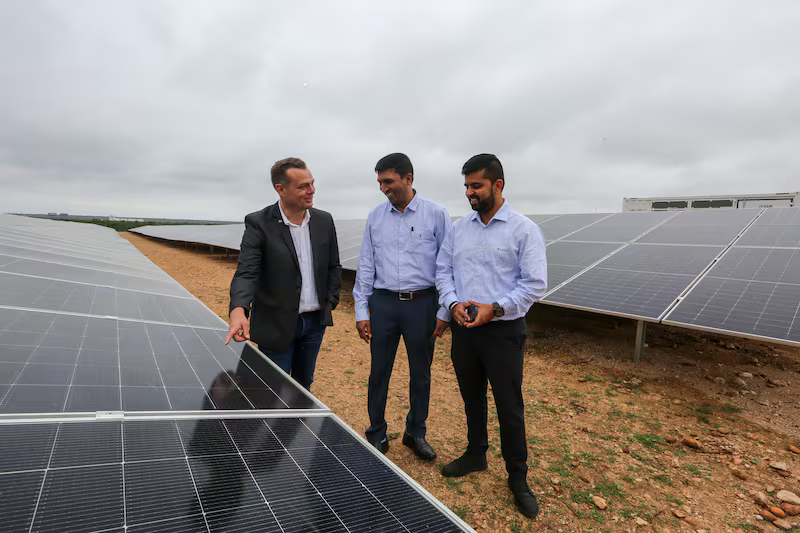
The International Trade Administration Commission (Itac) has proposed raising import duties on solar panels, wind turbine components and lithium-ion batteries to World Trade Organisation bound-rate ceilings; in some cases, from zero to 30%. The stated rationale is industrial localisation.
Tariff protection is a defensible instrument when applied to industries that face temporary competitive disadvantage but possess the structural prerequisites to scale.
South Africa’s manufacturing environment does not meet that threshold. Electricity costs are among the highest compared with other emerging markets. Rail and port throughput remain well below capacity. Capital formation is constrained by policy uncertainty, and the security cost burden on industrial operations is substantial.
Raising the price of imported inputs in an environment structurally hostile to production does not conjure up manufacturing capacity. What is likely to happen is that project costs will be inflated, renewable energy deployment delayed, and the burden transferred directly onto consumers and businesses.
The South African Renewable Energy Masterplan itself acknowledges this tension, explicitly preferring procurement restructuring over tariff protection as the primary localisation mechanism; Itac’s preliminary determinations run against that.
The question warranting executive attention is not whether South Africa should develop a domestic renewable energy manufacturing base, but whether import duties are the correct sequencing instrument before the structural constraints are addressed.