
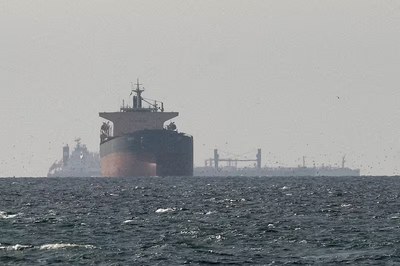
Minister downplays US blockade risk as fuel prices soar
“There’s no shortage of petrol, oil or diesel in the country. It is just expensive. That is the function of the price. But in terms of supply, it is available because we are not an enemy of Iran. That is what saved us. The issue is price and that is not in our control”, says mineral & petroleum resources minister Gwede Mantashe ("Fuel supply not at risk due to good terms with Iran, Mantashe says", April 21).
Mantashe is technically correct: South Africa has not been subject to Iranian export restrictions and South Africa’s non-belligerent status does afford some diplomatic insulation from Iranian-side interdiction.
But Iranian willingness to sell does not equal physical ability to deliver. The relevant chokepoint risk was never primarily about whether Iran would embargo South Africa; it was always about whether the Strait of Hormuz would be physically navigable and whether the US navy would permit tanker traffic. The minister’s framing completely sidesteps this.
The US naval blockade doesn’t require Iranian co-operation to disrupt South African supply chains; it operates regardless of South Africa’s diplomatic alignment with Tehran. If the US is enforcing primary and secondary pressure on Iranian oil exports, South Africa’s non-enemy status with Iran is simply irrelevant to the physical risk.
Is the minister unaware of this distinction? His testimony before the parliamentary portfolio committee confirms the government’s public posture is supply reassurance plus price acknowledgement. But the blockade risk remains unaddressed in official messaging, which is itself an intelligence signal worth noting.